lifestyle
Mar 5, 2024
The New Frontier of Brain Health: Unlocking Neuroplasticity for a Lifetime of Wellness
Neuroplasticity, a concept that is reshaping how we view not only brain health but also our potential for growth and change at every stage of life.

In the era of modern wellness, a new frontier is emerging, and it’s not just about our physical bodies. It’s about our most complex organ: the brain.
Neuroplasticity is the brain’s ability to reorganize itself, forming new neural connections throughout life in response to experiences, thoughts, and even injury. While we once believed the brain stopped developing after childhood, we now know that it is continually evolving and capable of adaptation well into old age. This discovery has monumental implications for our understanding of mental health, learning, recovery from injury, and aging.
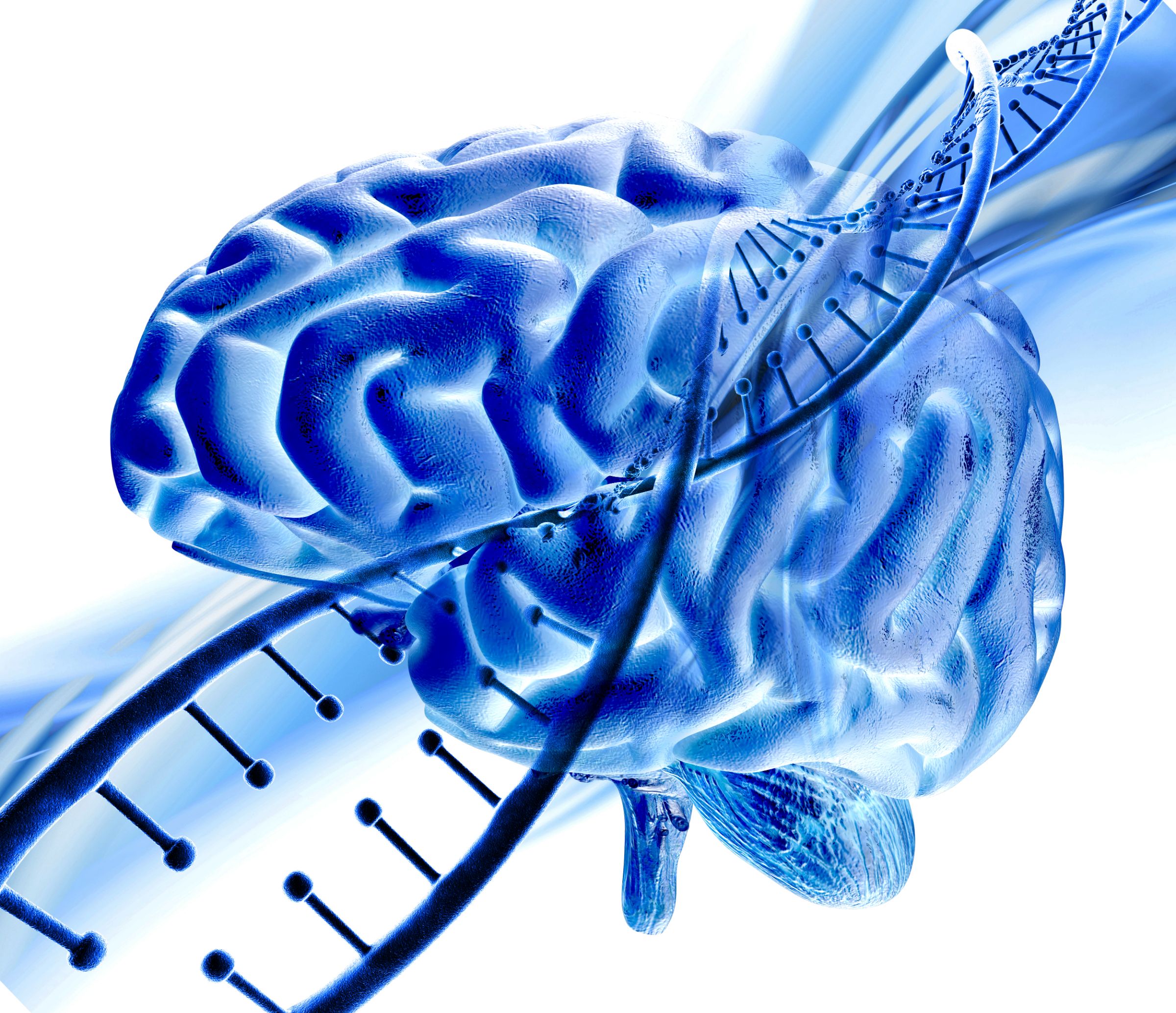
What is Neuroplasticity, and Why Does it Matter?
Neuroplasticity, or “brain plasticity,” refers to the brain’s ability to alter its structure and function based on input from our environment, experiences, behaviors, and even thoughts. Just as a muscle grows stronger with exercise, our brains can form new connections and reshape existing ones to create a stronger, more resilient mind. Neuroplasticity allows us to adapt to changes, learn new skills, and recover from setbacks.
Imagine you’re learning to play a musical instrument for the first time. At first, your movements are clumsy, and reading sheet music feels like deciphering a code. But over time, as you practice, your brain creates new connections to accommodate this new skill. The areas responsible for fine motor skills, auditory processing, and memory expand, and the act of playing becomes more fluid and intuitive. This is neuroplasticity in action: your brain responding to practice and experience, becoming better adapted for the task at hand.
In essence, neuroplasticity makes change and growth possible. This flexibility is why someone who suffers a brain injury can often relearn basic skills, and it’s why older adults can retain memory and mental agility through deliberate engagement and learning.
The Power of Neuroplasticity in Mental Health
Mental health is another realm where neuroplasticity holds transformative power. Depression, anxiety, and trauma all have biological impacts on the brain, often leading to persistent negative thought patterns. But through practices that promote neuroplasticity, it’s possible to rewire these patterns, creating a healthier mental landscape.
For example, cognitive behavioral therapy (CBT) works by actively changing thought patterns, training the brain to form new pathways that shift a person’s perspective and responses. Research shows that people who consistently practice mindfulness meditation, which encourages observation without judgment, develop stronger connections in regions associated with emotional regulation and empathy. Neuroplasticity allows individuals to shift away from ingrained reactions, opening pathways to a more balanced and resilient mind.
Harnessing Neuroplasticity for Cognitive Longevity
As we age, the preservation of cognitive health becomes increasingly important. Neuroplasticity gives us a way to keep the brain sharp and resilient, potentially warding off cognitive decline and conditions like Alzheimer’s. Just as we protect our heart or bones, we can actively protect and even strengthen our brain through intentional practices that boost neuroplasticity.
Learning New Skills: When we engage in novel activities—learning a new language, picking up a new hobby, or even solving puzzles—we stimulate the brain and encourage the formation of new connections. This continuous learning challenges the brain, making it more adaptable and resilient over time.
Physical Exercise: Regular physical activity is one of the most powerful ways to boost neuroplasticity. Exercise increases blood flow to the brain and releases growth factors that encourage new neural connections. Studies show that aerobic activities, like running or cycling, are especially effective in enhancing memory and cognitive function.
Quality Sleep: Sleep is crucial for brain health, as it’s during sleep that the brain clears out toxins and consolidates memories. Quality rest is essential for neuroplasticity, allowing the brain to retain and reinforce the day’s learning.
Mindfulness and Meditation: Mindfulness meditation, with its focus on awareness and non-judgmental observation, has been shown to increase neuroplasticity, particularly in the areas of the brain responsible for memory, self-awareness, and emotional regulation.
Healthy Diet: Diet is an often-underestimated factor in brain health. Foods rich in omega-3 fatty acids, antioxidants, and polyphenols support neuroplasticity by reducing inflammation and promoting cell growth. Berries, fatty fish, leafy greens, and nuts are particularly beneficial for cognitive health.
Neuroplasticity and Recovery from Brain Injury
The brain’s plasticity is also its greatest strength when it comes to recovery from injury. In cases of stroke or traumatic brain injury, neuroplasticity enables the brain to “reroute” around damaged areas, creating new pathways that help patients regain lost abilities. This process doesn’t happen overnight, but with sustained rehabilitation and therapy, the brain can learn to adapt, often restoring function to varying degrees.
Some remarkable cases show how people can recover after significant brain trauma by engaging in repetitive, targeted exercises that strengthen alternate pathways in the brain. The recovery process showcases neuroplasticity’s resilience—proof that the brain is capable of feats we once thought impossible.
Embracing a Growth Mindset with Neuroplasticity
The concept of neuroplasticity is profoundly hopeful. It aligns with what psychologists call a “growth mindset,” the belief that abilities and intelligence can be developed through dedication and hard work. Neuroplasticity gives biological credibility to this philosophy. If our brains are capable of growth and change, then we are never truly “stuck.” Whether in personal development, relationships, or career, our capacity to learn and adapt remains with us, regardless of age.
A growth mindset can even reinforce neuroplasticity itself. People who believe they can change their brains are more likely to engage in practices that promote growth, like taking on challenges and persisting through setbacks. This synergy between mindset and biology empowers us to keep evolving, reinforcing the idea that we are truly capable of lifelong development.
The Future of Brain Health: An Era of Neuroplastic Wellness
With the advent of neuroplasticity research, we’re entering a new era in which brain health is prioritized alongside physical health. Experts are increasingly recognizing the need for brain-centric wellness strategies that encourage neuroplasticity across the lifespan. The wellness world is already catching on, with neuroplasticity-inspired programs, brain-training apps, and wellness retreats that incorporate meditation, nutrition, and cognitive exercises designed to support lifelong mental agility.
Imagine a future where maintaining brain health is as common as a daily workout, where schools prioritize neuroplastic-friendly learning environments, and workplaces integrate practices to reduce stress and improve focus. Neuroplasticity holds the key to this future, offering the possibility of a healthier, sharper, and more adaptable mind for all.
As we embrace neuroplasticity, we step into a new paradigm of wellness, one where we see the mind not as a fixed entity but as a dynamic and resilient part of who we are. This shift empowers each of us to take an active role in our cognitive health, fostering a brain that is both strong and flexible, ready to face the complexities of an ever-changing world.
So, whether you’re picking up a new skill, meditating, or even exploring a new travel destination, know that each experience is shaping you, forming new connections and pathways that prepare you for whatever lies ahead. Embracing neuroplasticity is, at its core, about embracing a lifetime of learning, adaptability, and infinite potential.