news
Jan 18, 2024
Longevity 2025 upcoming trends
Looking ahead to 2025, the longevity field is set for a significant shift. Advances in biotechnology, medical research, and digital health are driving this change. These developments aim to extend our healthspan and enhance life quality as we age. We will explore the new trends and breakthroughs shaping the longevity future.

Looking ahead to 2025, the longevity field is set for a significant shift. Advances in biotechnology, medical research, and digital health are driving this change. These developments aim to extend our healthspan and enhance life quality as we age. We will explore the new trends and breakthroughs shaping the longevity future.
Breakthrough Discoveries in Cellular Regeneration
Researchers have pinpointed factors like telomere shortening and epigenetic changes as key contributors to aging. By focusing on these, scientists are creating ways to rejuvenate and extend cell lifespan. The emergence of senescent cells and telomere extension technologies offers a glimmer of hope for aging reversal.
The field of epigenetic reprogramming has made significant strides. Scientists are now exploring ways to reset the genetic clock and restore youthful gene expression. Through gene therapy, researchers aim to combat age-related diseases and unlock the potential for extended human regenerative medicine.
As our understanding of aging grows, more anti-aging therapies are entering clinical trials. These trials assess the safety and effectiveness of new interventions, from cellular therapies to genetic modifications. The goal is to bring these scientific breakthroughs to life, enhancing longevity and improving quality of life.
"The future of anti-aging research is filled with both promise and possibility. As we unravel the complex mechanisms of aging, we are closer than ever to unlocking the secrets of longevity."
Longevity Trends Reshaping Healthcare Delivery
The quest for longevity is transforming healthcare in profound ways. New trends are reshaping preventive care, health management, and medical service delivery. Telemedicine and specialized longevity clinics are leading this transformation, shaping the future of healthcare.
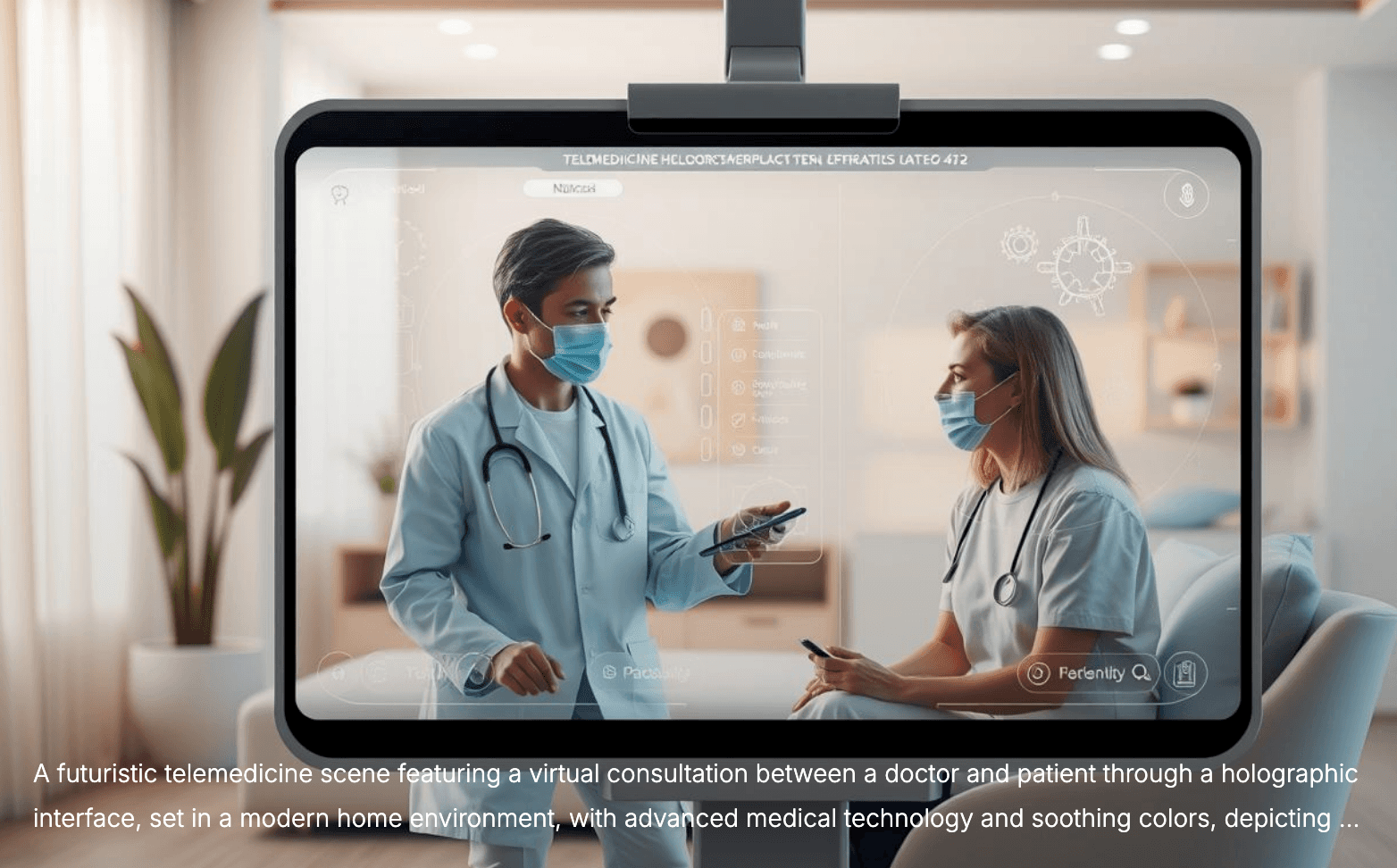
Telemedicine is becoming increasingly prominent. It uses digital technologies for remote consultations, monitoring, and personalized guidance. This has made healthcare more accessible, especially for those needing continuous monitoring and preventive care.
Specialized longevity clinics are also on the rise. They focus on optimizing healthspan with holistic approaches. These clinics use advanced diagnostics, health coaching, and tailored plans to meet individual needs. They aim to empower patients to manage their longevity proactively.
Health coaching and continuous monitoring technologies are also changing healthcare. Wearable devices and smart-home technologies track biomarkers and offer personalized advice. They help individuals make informed lifestyle choices for extended healthspan and longevity.
Longevity TrendImpact on Healthcare DeliveryTelemedicineIncreased accessibility to remote consultations, monitoring, and personalized guidanceLongevity ClinicsHolistic, proactive approach to preventive care and healthspan optimizationHealth Coaching and Continuous MonitoringEmpowerment of individuals to take control of their well-being through data-driven insights
As longevity continues to influence healthcare, these trends are set to change how we manage our health. They promise a future where preventive care, personalized medicine, and health management are more effective and accessible.
Emerging Biotechnology for Life Extension
Advances in biotechnology are promising to extend human lifespan. Gene editing tools, stem cell therapies, and organ regeneration are key areas of research. These efforts aim to significantly increase our lifespan.
CRISPR Applications in Age Management
The advent of gene editing technologies like CRISPR-Cas9 has revolutionized regenerative medicine. Scientists are exploring CRISPR's potential to reverse age-related genetic changes. This could lead to more tailored age management approaches.
Stem Cell Therapy Innovations
Stem cell therapy is seen as a breakthrough in tissue engineering and organ regeneration. Researchers are unlocking stem cells' regenerative powers to combat age-related diseases. This includes degenerative conditions and organ failure.
Organ Regeneration Technologies
The dream of regenerating and replacing aging or damaged organs is a major goal in longevity research. Progress in bioprinting and organoids is moving us closer to this vision. It could mean extending our healthy lifespan by fixing or replacing failing organs.
"The future of longevity lies in the integration of cutting-edge biotechnologies that can target the root causes of aging and disease. From gene editing to stem cell therapies, the possibilities for extending the human lifespan are truly remarkable."
The longevity economy is rapidly gaining traction, attracting significant investment from venture capitalists and private equity firms. Innovative age-tech startups are leading this market, developing cutting-edge solutions for the aging population. These companies focus on telemedicine, remote patient monitoring, and personalized wellness programs.
Fueled by the silver economy's growing purchasing power, venture capital firms are increasingly interested in longevity-focused startups. Reports show investment in the age-tech sector has surged, with firms like Andreessen Horowitz, ARCH Venture Partners, and Khosla Ventures at the forefront. This influx of capital allows these companies to scale and accelerate the development of groundbreaking technologies.
As the population ages and the demand for longevity solutions rises, the longevity economy is set to become a major economic driver. Governments, healthcare systems, and private investors are recognizing the immense potential of this market. This strategic investment is expected to spur further innovation, transforming how we approach aging and extending human lifespan.